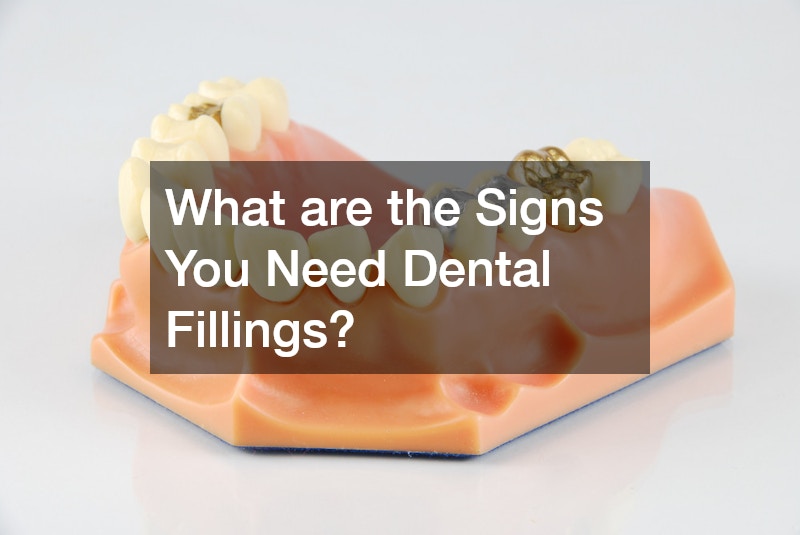
Tooth decay is one of the most common oral health issues, yet many people don’t realize they have a cavity until discomfort begins to interfere with daily life. dental fillings are used to restore teeth that have been damaged by decay, cracks, or minor fractures. Recognizing the early warning signs can help you seek treatment before the problem worsens and requires more extensive care.
Below is a clear breakdown of the symptoms that may indicate you need a filling and why acting quickly matters.
Persistent Tooth Sensitivity
Sensitivity to Hot and Cold
If you feel a sharp or lingering pain when drinking hot coffee or eating ice cream, it could be a sign of enamel erosion or tooth decay. When the protective outer layer of your tooth weakens, the inner dentin becomes exposed.
This makes the nerves inside the tooth more reactive to temperature changes.
Occasional sensitivity can happen, but consistent discomfort is often a red flag. When decay creates small holes in the enamel, dental fillings are typically used to seal the area and protect the tooth from further damage.
Sensitivity to Sweets
Sugary foods can also trigger discomfort when a cavity is forming. Bacteria in the mouth feed on sugar and produce acids that wear down enamel. If you notice a zing of pain when enjoying candy, pastries, or soda, it may be time to schedule a dental evaluation.
Toothache or Ongoing Pain
Dull, Aching Pain
A steady, throbbing toothache often signals that decay has progressed beyond the enamel. As the cavity deepens, it irritates the inner pulp of the tooth, causing persistent discomfort. This kind of pain rarely resolves on its own and typically requires treatment.
Ignoring an aching tooth can lead to more severe complications, including infection. In many cases, addressing the problem early with dental fillings can relieve pain and restore normal function.
Sharp Pain When Biting
If you experience sharp pain while chewing, it could indicate a cavity, a cracked tooth, or a weakened filling that needs replacement. Pressure from biting forces the damaged portion of the tooth to shift slightly, irritating the nerve.
Prompt treatment prevents further structural damage and helps preserve the natural tooth.
Visible Holes or Dark Spots
Noticeable Pits in the Tooth
Sometimes cavities are visible to the naked eye. You might see small holes, pits, or rough areas on the surface of a tooth. These openings are signs that decay has eaten through the enamel.
Even if there is no pain yet, visible damage should be evaluated by a dental professional. Early intervention with dental fillings can stop decay from spreading deeper.
Brown, Black, or White Stains
Discoloration on the surface of a tooth may indicate early or advanced decay. While not every stain signals a cavity, dark spots that don’t brush away should be examined. White spots can also represent areas where enamel minerals have been lost.
A dental exam, often supported by X-rays, can determine whether a filling is necessary.
Food Frequently Getting Stuck
Increased Trapping Between Teeth
If you notice food constantly getting caught in the same area, it could mean a cavity has formed between teeth. Decay can create small spaces that trap debris, making flossing uncomfortable or difficult.
When bacteria and food particles linger in these areas, they accelerate the decay process. dental fillings can restore the natural contour of the tooth and eliminate spaces where food becomes trapped.
Rough or Chipped Tooth Surfaces
Feeling a Sharp Edge with Your Tongue
Running your tongue along your teeth can sometimes reveal rough patches or jagged edges. A chipped or worn area may expose softer layers of the tooth, making it more vulnerable to decay.
Even small chips can worsen over time. A filling can smooth the surface, strengthen the tooth, and prevent further breakdown.
Cracks from Grinding
Teeth grinding, also known as bruxism, can create tiny fractures in enamel. These cracks may allow bacteria to seep inside, increasing the risk of cavities. If you grind your teeth and notice new sensitivity or roughness, your dentist may recommend dental fillings to protect weakened areas.
Bad Breath That Won’t Go Away
Persistent Halitosis
Chronic bad breath that doesn’t improve with brushing and flossing can sometimes be linked to untreated cavities. Decay creates spaces where bacteria accumulate and produce unpleasant odors.
Treating the underlying problem with dental fillings not only restores the tooth but can also improve overall oral freshness.
Swelling or Gum Irritation Near a Tooth
Localized Gum Tenderness
If the gum tissue around a specific tooth appears red, swollen, or tender, decay could be present near the gumline. As bacteria multiply, they irritate surrounding tissues.
While gum inflammation is often associated with gum disease, it can also signal a cavity that requires attention. Addressing the issue promptly can prevent the need for more invasive treatments.
Old or Damaged Fillings
Cracked or Worn Restorations
If you already have fillings, they may not last forever. Over time, they can wear down, crack, or loosen. When this happens, bacteria can seep underneath the restoration and create new decay.
Common signs of a failing filling include renewed sensitivity, discomfort while chewing, or visible cracks. Replacing damaged restorations helps maintain the strength and integrity of your tooth.
Why Early Treatment Matters
Cavities do not heal on their own. Without intervention, decay continues to spread, potentially reaching the inner pulp and leading to infection. At that stage, more extensive procedures such as root canal therapy may be necessary.
Dental fillings are a conservative and effective way to repair minor to moderate damage. The procedure typically involves removing decayed material, cleaning the area, and placing a durable material that restores the tooth’s shape and function. Modern fillings are designed to blend naturally with your smile and withstand daily chewing forces.
When to Schedule a Dental Visit
If you experience any of the signs described above, it’s wise to schedule a dental appointment. Even subtle symptoms can indicate early decay. Routine checkups play an essential role in detecting cavities before they cause noticeable pain.
Paying attention to changes in sensitivity, appearance, and comfort can help you protect your oral health. Addressing issues early with dental fillings preserves more of your natural tooth structure and supports a healthier, more confident smile.
Related Posts
Dental Crowns for a Better Smile How Restorative Dentistry Improves Aesthetics and Confidence
Dental Crowns for a Better Smile: How Restorative Dentistry Improves Aesthetics and Confidence In the world of dental care, few…

How to Prepare Your Child for the Pediatric Dentist
Visits to the dentist can be daunting for adults, and even more so for children. Pediatric dental visits are crucial…