A full mouth makeover represents one of the most comprehensive approaches to improving both the function and appearance of a patient’s smile. Unlike isolated treatments, it involves a combination of procedures tailored specifically to address a person’s unique dental needs and aesthetic goals. Dentists carefully assess each patient, considering not only cosmetic concerns but also underlying structural and functional issues, such as bite alignment, jaw health, and conditions like tongue tie, to develop a plan that restores oral health while enhancing visual appeal. From cosmetic dental services like teeth whitening and veneers to restorative work such as dental implant procedures, a full mouth makeover can significantly improve confidence and quality of life. Additionally, local dentists rely on advanced diagnostic tools, specialized dental equipment, and their expertise in dentistry to ensure every procedure aligns with long-term oral health. This article explores the step-by-step process dentists follow, highlighting the careful balance between cosmetic goals and functional restoration. We will examine the types of procedures involved, how patient needs are assessed, and the planning strategies that ensure the best possible outcomes for individuals seeking a transformative dental experience.
What Is a Full Mouth Makeover?
Definition and Scope
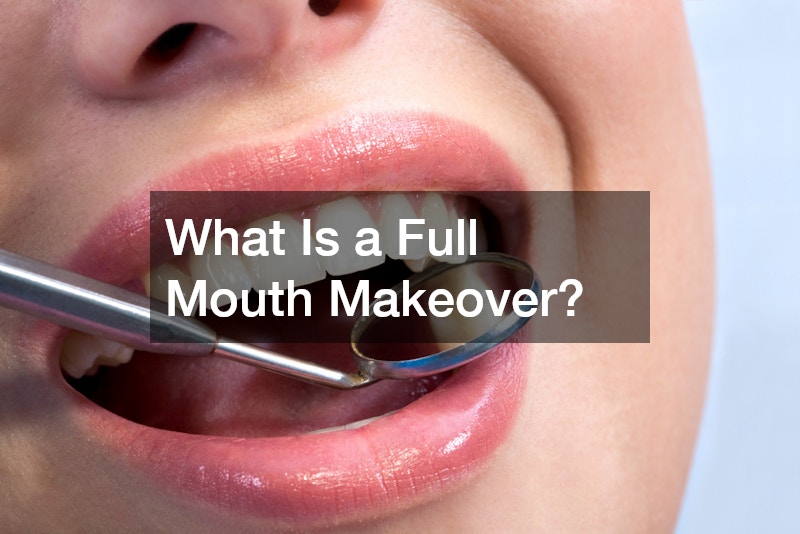
A full mouth makeover encompasses a wide range of dental procedures designed to improve the overall aesthetics and functionality of a patient’s teeth, gums, and bite. Dentists approach this process holistically, evaluating the alignment, spacing, and condition of teeth as well as the health of surrounding soft tissues. Cosmetic dental services play a central role in these transformations, often including teeth whitening, porcelain veneers, and bonding to create a balanced, natural-looking smile. Restorative procedures, such as dental implant procedures, crowns, and bridges, address functional concerns, restoring the patient’s ability to chew and speak comfortably. By integrating both cosmetic and restorative dentistry, dentists can deliver results that are not only visually striking but also durable and practical. This comprehensive approach requires meticulous planning, coordination among dental specialists, and careful attention to patient preferences to achieve a successful outcome.
Differences from Other Dental Treatments
Unlike routine dental treatments such as regular cleanings, cavity fillings, or minor cosmetic adjustments, a full mouth makeover involves a combination of complex procedures tailored to the patient’s unique dental profile. Dentists assess the entire mouth rather than focusing on a single problem area, ensuring that all aspects of oral health are addressed. For instance, a cosmetic dentist may perform teeth whitening and veneer placement while a restorative dentist handles crowns or dental implant procedures. The integration of multiple dental disciplines distinguishes a full mouth makeover from standard dentistry, requiring both technical expertise and an artistic eye. Additionally, patients may undergo preparatory treatments such as gum reshaping or orthodontics, which are less common in standard procedures. This comprehensive strategy ensures that cosmetic improvements do not compromise dental function and that restorative work enhances overall aesthetics. By coordinating these diverse elements, dentists provide a solution that is personalized, effective, and sustainable over time.
What Procedures Are Typically Involved?
Cosmetic Procedures
Cosmetic dental services focus on enhancing the visual appeal of a patient’s smile. Procedures often include teeth whitening to remove stains and discoloration, porcelain veneers to correct the shape and alignment of teeth, and bonding to repair minor chips or gaps. Dentists also consider factors such as tooth proportion, symmetry, and the overall facial profile when planning cosmetic interventions. A cosmetic dentist may use mock-ups or digital simulations to show patients the expected results before treatment begins. These procedures are frequently combined with other restorative work, ensuring that cosmetic improvements complement the functional aspects of the mouth. For patients interested in a dramatic transformation, cosmetic dental services provide the foundation for a bright, confident smile while maintaining harmony with surrounding dental structures. Local dentists rely on state-of-the-art materials and techniques to achieve natural-looking results that are both durable and aesthetically pleasing.
Restorative Procedures
Restorative procedures address the structural and functional components of the mouth. Dental implant procedures, crowns, bridges, and dentures restore the ability to chew, speak, and maintain proper bite alignment. Dentists carefully assess tooth integrity, jawbone density, and overall oral health to determine which restorative treatments are appropriate. For instance, patients with missing teeth may benefit from dental implants that provide a permanent solution while preserving jawbone health. Crowns can protect weakened teeth, while bridges restore continuity where multiple teeth are missing. Restorative dentistry ensures that cosmetic improvements, such as veneers or bonding, do not compromise the functionality of the mouth. Dentists also integrate local dental equipment and diagnostic imaging to plan procedures precisely, minimizing complications and enhancing long-term outcomes. By addressing both aesthetic and functional needs, restorative work plays a crucial role in comprehensive full mouth makeovers.
How Do Dentists Assess a Patient’s Needs?
Initial Consultation
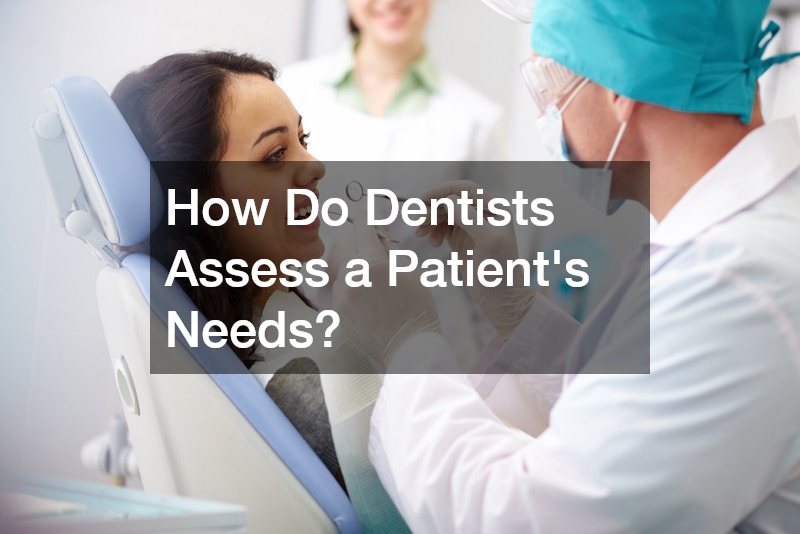
The process of a full mouth makeover begins with an initial consultation. During this session, dentists discuss the patient’s goals, concerns, and expectations, taking note of both cosmetic desires and functional challenges. A comprehensive oral examination evaluates the condition of teeth, gums, and jaw alignment, allowing dentists to identify underlying issues that may require attention. Local dentists may also review prior dental history, including previous procedures or complications, to develop an informed treatment plan. Cosmetic dental services, dental implant procedures, and other interventions are then tailored to the patient’s unique profile. The initial consultation provides an opportunity for patients to ask questions, discuss preferences, and understand the steps involved in the makeover process. Dentists use this information to design a personalized roadmap that balances aesthetic enhancements with practical dental care.
Diagnostic Imaging
Diagnostic imaging is a critical tool in planning a full mouth makeover. Dentists use X-rays, 3D scans, and other imaging techniques to evaluate bone structure, tooth alignment, and gum health. These images provide a detailed map of the mouth, allowing the dentist to identify hidden issues such as impacted teeth, bone loss, or misaligned bites that could impact treatment outcomes. For procedures like dental implant procedures, precise measurements are essential to ensure proper placement and long-term stability. Cosmetic dentists also rely on imaging to visualize the final appearance of veneers or crowns, enabling accurate planning and patient communication. Local dental equipment and advanced imaging technology allow dentists to make informed decisions, reduce procedural risks, and achieve results that meet both cosmetic and functional objectives. By combining patient consultation with diagnostic imaging, dentists create a comprehensive plan that sets the stage for a successful full mouth makeover.
What Is the Importance of a Customized Treatment Plan?
Tailoring to Individual Needs
A customized treatment plan is essential for ensuring that every aspect of a full mouth makeover addresses the unique needs of the patient. Dentists consider factors such as tooth alignment, bite functionality, gum health, and aesthetic goals when designing a personalized approach. Cosmetic dental services like veneers or teeth whitening are carefully integrated with restorative procedures such as dental implant procedures, crowns, or bridges to ensure a harmonious and functional outcome. By tailoring treatments to the patient, dentists can avoid unnecessary procedures and prioritize interventions that provide the most significant benefits. Local dentists work closely with patients to discuss preferences, desired outcomes, and realistic expectations, creating a collaborative process that enhances satisfaction. A personalized plan also allows dentists to sequence procedures efficiently, reducing recovery times and optimizing long-term results while maintaining the patient’s oral health and comfort.
Integration of Multiple Disciplines
Full mouth makeovers often require collaboration among various dental specialties. Cosmetic dentists, restorative dentists, periodontists, and orthodontists may all contribute their expertise to achieve the best possible outcome. Integration ensures that procedures complement each other rather than conflict, resulting in a smile that is both functional and visually appealing. For example, dental implant procedures may need to follow gum treatments or orthodontic adjustments to ensure proper alignment and support. Cosmetic dental services can then enhance aesthetics once the functional elements are in place. Local dental equipment, advanced imaging, and diagnostic tools allow dentists to coordinate treatments accurately, reducing the risk of complications and improving overall outcomes. This multidisciplinary approach underscores the importance of planning, communication, and expertise in delivering comprehensive dental care that addresses every dimension of the patient’s needs.
How Long Does a Full Mouth Makeover Take?
Timeline Overview
The duration of a full mouth makeover can vary significantly depending on the complexity of procedures, the patient’s oral health, and the desired cosmetic results. Some makeovers may be completed in a few months, while more extensive cases involving multiple dental implant procedures, restorative work, and cosmetic dental services may take over a year. Dentists develop a detailed timeline that sequences procedures logically to minimize patient discomfort and maximize healing between treatments. Scheduling considerations, such as availability of appointments and coordination among dental specialists, also influence the overall duration. Patients can expect multiple visits for consultations, imaging, preparation, and the actual procedures. Regular follow-ups are scheduled to monitor healing, assess progress, and make any necessary adjustments. By understanding the timeline in advance, patients can plan their schedules, anticipate recovery periods, and set realistic expectations for their full mouth makeover.
Factors Affecting Treatment Duration
Several factors can impact how long a full mouth makeover takes. Preparatory procedures, such as gum treatments, orthodontics, or addressing cavities, must often be completed before cosmetic or restorative interventions. The complexity of dental implant procedures, the need for custom crowns or veneers, and individual healing rates all influence the treatment schedule. Patient compliance with care instructions, including oral hygiene routines and dietary restrictions, can also affect recovery times and procedure success. Local dentists may adjust the timeline based on patient comfort, overall health, and unforeseen complications. By considering these variables, dentists create a flexible yet structured plan that accommodates individual circumstances while ensuring high-quality results. Effective communication between the patient and dental team is key to maintaining adherence to the timeline and achieving the best possible outcome.
What Are the Costs Involved?
Breakdown of Costs by Procedure
Understanding the financial aspects of a full mouth makeover helps patients plan for the investment required. Cosmetic dental services, including teeth whitening, veneers, and bonding, typically have varying price ranges depending on materials and complexity. Dental implant procedures are often among the more expensive components due to the surgical nature and use of specialized equipment. Restorative work such as crowns, bridges, or dentures also carries costs that can fluctuate based on materials and customization needs. Dentists provide detailed estimates that break down each procedure, enabling patients to make informed decisions about prioritizing treatments. By analyzing the cost structure, patients can balance aesthetic goals with practical budget considerations while ensuring that essential functional improvements are not compromised. Local dentists also consider long-term benefits, such as the durability of implants and the need for fewer future interventions, when discussing expenses.
Insurance and Financing Options
Many insurance plans cover portions of full mouth makeover procedures, particularly restorative work and medically necessary dental care. Cosmetic procedures may not always be covered, but dentists can provide financing options or payment plans to make treatment more accessible. Local dentists often collaborate with financial institutions or offer in-house payment solutions to help patients manage expenses while proceeding with a comprehensive makeover. Understanding insurance limitations, coverage details, and available financing options enables patients to plan strategically and pursue the procedures that deliver the greatest overall benefit. Dentists also provide guidance on cost-effective approaches that do not compromise the quality of care, such as combining multiple procedures efficiently or selecting alternative materials that achieve similar results. By offering transparent cost information and support options, dentists make full mouth makeovers achievable for a wider range of patients.
What Can Patients Expect During Recovery?

Immediate Post-Procedure Care
After a full mouth makeover, patients typically need to follow specific care routines to support healing and ensure optimal results. Dentists provide guidance on managing discomfort, maintaining oral hygiene, and avoiding foods that could interfere with dental implant procedures or newly applied cosmetic dental services. Patients may need to use specialized cleaning tools or rinse solutions to prevent infection and promote gum health. Pain management strategies, including prescribed medications or over-the-counter options, help patients remain comfortable during the initial recovery phase. Local dentists also schedule check-ins to monitor progress, address concerns, and make minor adjustments to dental work if necessary. Proper attention to immediate post-procedure care is essential to avoid complications and support the long-term success of the full mouth makeover.
Long-Term Maintenance
Sustaining the results of a full mouth makeover requires ongoing dental care and maintenance. Regular visits to local dentists for checkups and cleanings help prevent new dental issues and preserve the aesthetic and functional improvements achieved through cosmetic dental services and restorative procedures. Patients should maintain consistent oral hygiene routines, including brushing, flossing, and using recommended mouth rinses, to protect their investments in dental implants, crowns, veneers, and other treatments. Cosmetic dentists may also provide touch-ups or refinements over time to maintain appearance, particularly for teeth whitening or bonding. Additionally, careful monitoring of bite alignment and gum health ensures that restorative work remains effective and durable. By committing to long-term maintenance, patients can enjoy the full benefits of their smile transformation for years to come.
A full mouth makeover represents a transformative journey that combines artistry, medical expertise, and patient-centered planning. Dentists carefully evaluate each patient’s needs, considering cosmetic goals, functional requirements, and overall oral health—including conditions such as tongue tie—to create a personalized treatment plan. Procedures such as cosmetic dental services, dental implant procedures, and restorative interventions are integrated to enhance both appearance and function. Local dentists leverage advanced diagnostic tools, dental equipment, and their knowledge of dentistry to execute precise, safe, and effective treatments. Patients should anticipate a structured timeline, understand potential risks, and engage in diligent post-procedure care to achieve lasting results. By collaborating closely with skilled cosmetic dentists and restorative specialists, individuals can attain a confident, radiant smile that reflects their personal vision while promoting optimal oral health. A full mouth makeover not only restores the integrity of the mouth but also enhances overall quality of life, demonstrating the profound impact that comprehensive dental care can have when expertly planned and executed.